
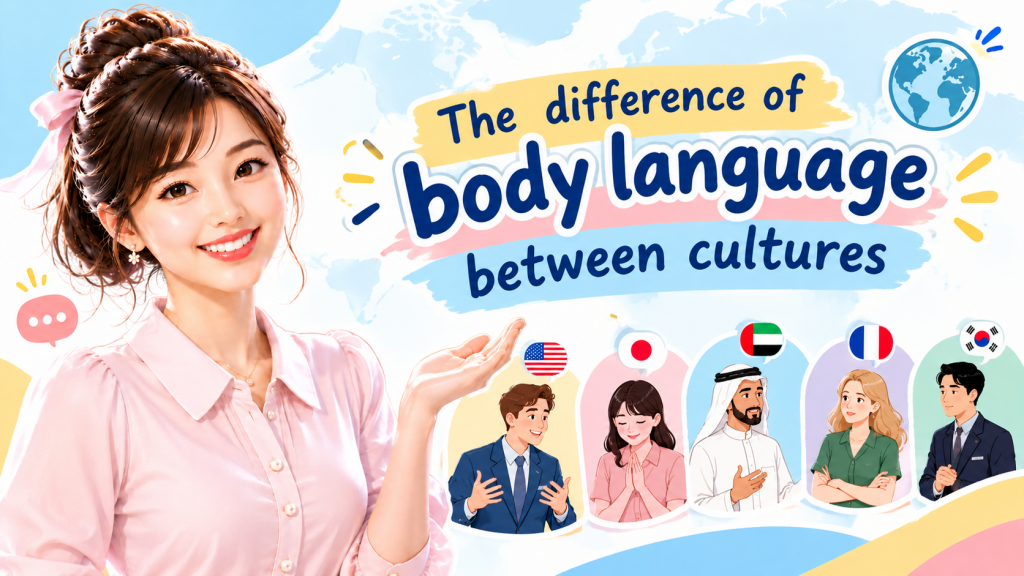
1. Direct vs. Indirect Eye Contact (การสบตา)
“In Western cultures, maintaining direct eye contact during a conversation signifies confidence, honesty, and active listening. Conversely, in many Asian and African societies, prolonged eye contact with authority figures is often perceived as aggressive, disrespectful, or a challenge to hierarchy.”
คำแปล: ในวัฒนธรรมตะวันตก การสบตาโดยตรงระหว่างการสนทนาแสดงถึงความมั่นใจ ความซื่อสัตย์ และการตั้งใจฟัง ในทางกลับกัน ในหลายสังคมของเอเชียและแอฟริกา การจ้องตาผู้มีอำนาจหรือผู้ใหญ่เป็นเวลานาน มักถูกมองว่าเป็นการก้าวร้าว ไม่เคารพ หรือเป็นการท้าทายลำดับขั้นในสังคม
2. Personal Space and Proxemics (ระยะห่างระหว่างบุคคล)
“People from Latin American and Middle Eastern cultures generally prefer closer physical proximity when communicating, viewing it as a sign of warmth and trust. In contrast, individuals from Nordic or North American backgrounds typically maintain a larger personal space, interpreting physical closeness from strangers as an intrusion.”
คำแปล: ผู้คนจากวัฒนธรรมละตินอเมริกาและตะวันออกกลางโดยทั่วไปชอบอยู่ใกล้ชิดกันมากกว่าขณะสื่อสาร โดยมองว่าเป็นสัญลักษณ์ของความอบอุ่นและความไว้วางใจ ในทางตรงกันข้าม คนจากแถบนอร์ดิกหรืออเมริกาเหนือมักจะรักษาระยะห่างระหว่างบุคคลที่มากกว่า และจะตีความการเข้าใกล้ของคนแปลกหน้าว่าเป็นการคุกคามความเป็นส่วนตัว
3. The ‘OK’ Hand Gesture (สัญลักษณ์มือ OK)
“While forming a circle with the thumb and index finger commonly denotes approval or ‘everything is fine’ in Anglo-American contexts, this same gesture is considered an offensive, highly insulting insult in Brazil, Greece, and parts of the Middle East.”
คำแปล: แม้ว่าการทำนิ้วหัวแม่มือและนิ้วชี้เป็นรูปวงกลมจะหมายถึงการอนุมัติหรือ ‘ทุกอย่างเรียบร้อยดี’ ในบริบทของชาวแองโกล-อเมริกัน แต่ท่าทางเดียวกันนี้กลับถูกมองว่าเป็นคำด่าที่หยาบคายและหยาบหยามอย่างยิ่งในประเทศบราซิล กรีซ และบางพื้นที่ในตะวันออกกลาง
4. Physical Contact and Touching (การสัมผัสร่างกาย)
“Contact cultures, such as those in Mediterranean countries, frequently employ touch—such as patting shoulders or hugging—to build rapport. Conversely, in non-contact cultures like Japan or Thailand, physical touch between acquaintances is generally avoided to maintain boundaries and mutual respect.”
คำแปล: วัฒนธรรมที่เน้นการสัมผัส เช่น ประเทศในแถบเมดิเตอร์เรเนียน มักใช้การแตะตัว เช่น การตบไหล่หรือการกอด เพื่อสร้างความสนิทสนม ในทางกลับกัน ในวัฒนธรรมที่ไม่เน้นการสัมผัสอย่างญี่ปุ่นหรือไทย การสัมผัสร่างกายระหว่างคนรู้จักมักจะถูกหลีกเลี่ยงเพื่อรักษาระยะห่างและการให้เกียรติซึ่งกันและกัน
5. Head Movement (Nodding and Shaking) (การผงกหัวและการสั่นหัว)
“Across most Western societies, nodding up and down indicates agreement, whereas shaking the head side to side signifies negation. However, in Bulgaria and parts of India, a side-to-side head tilt or ‘head bobble’ can actually mean agreement or acknowledgment, often confusing foreign visitors.”
คำแปล: ในสังคมตะวันตกส่วนใหญ่ การผงกศีรษะขึ้นลงหมายถึงการตกลง ในขณะที่การสั่นศีรษะไปมาหมายถึงการปฏิเสธ อย่างไรก็ตาม ในประเทศบัลแกเรียและบางส่วนของอินเดีย การเอียงศีรษะไปมาหรือการ ‘สั่นหัวแบบอินเดีย’ กลับหมายถึงการตกลงหรือการรับรู้ ซึ่งมักสร้างความสับสนให้กับนักท่องเที่ยวชาวต่างชาติอย่างมาก
6. Hand Usage and Etiquette (การใช้นิ้วและมือ)
“In Middle Eastern and South Asian traditions, presenting objects or eating with the left hand is regarded as deeply disrespectful, as the left hand is culturally associated with personal hygiene. Conversely, Western cultures view hand preference as entirely neutral and functionally irrelevant.”
คำแปล: ในธรรมเนียมของตะวันออกกลางและเอเชียใต้ การยื่นสิ่งของหรือการรับประทานอาหารด้วยมือซ้ายถือเป็นการไม่ให้เกียรติอย่างยิ่ง เนื่องจากมือซ้ายถูกเชื่อมโยงตามวัฒนธรรมกับการทำความสะอาดร่างกาย ในทางตรงกันข้าม วัฒนธรรมตะวันตกมองว่าการถนัดมือข้างใดข้างหนึ่งเป็นเรื่องปกติและไม่มีผลใดๆ ต่อมารยาท
7. Smiling and Emotional Expression (การยิ้มและการแสดงอารมณ์)
“Although a smile is universally recognized as an expression of happiness, its contextual meaning varies. In American culture, smiling at strangers promotes friendliness, whereas in East Asian cultures, a subtle smile may be used to mask embarrassment, anxiety, or politeness in uncomfortable situations.”
คำแปล: แม้ว่าการยิ้มจะได้รับการยอมรับในระดับสากลว่าเป็นการแสดงความสุข แต่ความหมายตามบริบทกลับแตกต่างกัน ในวัฒนธรรมอเมริกัน การยิ้มให้คนแปลกหน้าเป็นการส่งเสริมความไมตรีจิต ในขณะที่ในวัฒนธรรมเอเชียตะวันออก การยิ้มเล็กน้อยอาจถูกนำมาใช้เพื่อกลบเกลื่อนความเขินอาย ความวิตกกังวล หรือเพื่อรักษามารยาทในสถานการณ์ที่อึดอัด
8. Pointing Gestures (การชี้)
“In Western countries, pointing at objects or directions with an index finger is standard practice, though pointing at people is considered rude. However, in traditional Malay and Filipino cultures, pointing with the index finger is entirely avoided; instead, people use their thumb or a slight motion of the lips to indicate direction.”
คำแปล: ในประเทศตะวันตก การใช้นิ้วชี้ไปยังสิ่งของหรือทิศทางเป็นเรื่องปกติ แม้ว่าการชี้ไปที่คนจะถือว่าเสียมารยาทก็ตาม อย่างไรก็ตาม ในวัฒนธรรมมลายูและฟิลิปปินส์แบบดั้งเดิม การใช้นิ้วชี้จะถูกหลีกเลี่ยงอย่างสิ้นเชิง โดยผู้คนจะใช้นิ้วหัวแม่มือหรือการขยับริมฝีปากเล็กน้อยเพื่อบอกทิศทางแทน
9. Sitting Posture and Showing the Soles of Feet (ท่าทางการนั่งและการเผยฝ่าเท้า)
“Crossing one’s legs and exposing the soles of the shoes is a relaxed, casual posture in North America and Europe. In contrast, in Arab, Thai, and Indian cultures, showing the bottom of one’s feet to another person is profoundly disrespectful, as the feet are considered the lowest and dirtiest part of the body.”
คำแปล: การไขว่ห้างและเผยให้เห็นพื้นรองเท้าเป็นท่าทางที่ผ่อนคลายและเป็นกันเองในอเมริกาเหนือและยุโรป ในทางกลับกัน ในวัฒนธรรมอาหรับ ไทย และอินเดีย การแสดงพื้นเท้าให้ผู้อื่นเห็นถือเป็นการไม่ให้เกียรติอย่างยิ่ง เนื่องจากเท้าถูกมองว่าเป็นส่วนที่ต่ำที่สุดและสกปรกที่สุดของร่างกาย
10. Beckoning Gestures (การกวักมือเรียก)
“Curling the index finger upward with the palm facing up is a common way to beckon someone in North America. Conversely, this exact motion is deemed highly insulting in Asian countries like the Philippines and Japan, where it is reserved only for animals; instead, individuals beckon with their palm facing downward and fingers waving.”
คำแปล: การงอนิ้วชี้ขึ้นด้านบนโดยหงายฝ่ามือขึ้นเป็นวิธีปกติในการกวักมือเรียกคนในอเมริกาเหนือ ในทางตรงกันข้าม ท่าทางเดียวกันนี้ถือเป็นการหยามเกียรติอย่างมากในประเทศแถบเอเชีย เช่น ฟิลิปปินส์และญี่ปุ่น ซึ่งจะใช้ท่านี้กับสัตว์เท่านั้น โดยพวกเขาจะกวักมือโดยคว่ำฝ่ามือลงและกวักนิ้วเข้าหาตัวแทน
11. The ‘Thumbs-Up’ Sign (สัญลักษณ์ชูนิ้วหัวแม่มือ)
“While a thumbs-up gesture universally represents approval, optimism, or a job well done in digital communication and Western culture, it functions as a vulgar and highly derogatory insult in parts of West Africa, Russia, and the Middle East.”
คำแปล: แม้ว่าการชูนิ้วหัวแม่มือจะแสดงถึงการอนุมัติ ความรู้สึกเชิงบวก หรือการชมเชยว่า ‘ทำได้ดี’ ในการสื่อสารดิจิทัลและวัฒนธรรมตะวันตก แต่ท่าทางนี้กลับทำหน้าที่เป็นคำด่าที่หยาบคายและดูหมิ่นอย่างแรงในบางพื้นที่ของแอฟริกาตะวันตก รัสเซีย และตะวันออกกลาง
12. Bowing vs. Handshaking (การโค้งคำนับเทียบกับการจับมือ)
“When initiating a formal greeting, Western business professionals typically rely on a firm handshake to convey strength and professionalism. Conversely, East Asian cultures, particularly Japan, utilize bowing, where the angle and duration of the bow subtly reflect the social status and deference owed to the other person.”
คำแปล: เมื่อเริ่มต้นการทักทายอย่างเป็นทางการ นักธุรกิจชาวตะวันตกมักใช้การจับมือที่หนักแน่นเพื่อแสดงถึงความเข้มแข็งและความเป็นมืออาชีพ ในทางกลับกัน วัฒนธรรมเอเชียตะวันออก โดยเฉพาะญี่ปุ่น จะใช้การโค้งคำนับ ซึ่งองศาและความยาวนานของการโค้งจะสะท้อนถึงสถานะทางสังคมและความเคารพที่มีต่ออีกฝ่ายอย่างแยบคาย
13. Laughing and Covering the Mouth (การหัวเราะและการเอามือปิดปาก)
“Expressing laughter loudly with an open mouth is interpreted as genuine and enthusiastic in many Western settings. Conversely, in Japan and South Korea, particularly among women, covering one’s mouth while laughing or smiling is a customary sign of modesty, restraint, and polite demeanor.”
คำแปล: การแสดงอารมณ์ขันด้วยการหัวเราะเสียงดังและเปิดปากถูกตีความว่าเป็นการแสดงออกที่จริงใจและกระตือรือร้นในบริบทตะวันตกจำนวนมาก ในทางตรงกันข้าม ในประเทศญี่ปุ่นและเกาหลีใต้ โดยเฉพาะในหมู่ผู้หญิง การเอามือปิดปากขณะหัวเราะหรือยิ้มเป็นธรรมเนียมที่แสดงถึงความอ่อนน้อมถ่อมตน การสำรวม และมารยาทที่สุภาพ
14. Arms Crossed Over the Chest (การกอดอก)
“In international business environments, crossing one’s arms across the chest is frequently viewed as a defensive, closed-off, or disinterested stance. However, in certain South Asian cultures, standing with crossed arms in front of elders or superiors can actually denote deep respect and attentive listening.”
คำแปล: ในบริบทการทำงานนานาชาติ การกอดอกมักถูกมองว่าเป็นท่าทางป้องกันตัว ปิดรับ หรือไม่สนใจ ในอย่างไรก็ตาม ในบางวัฒนธรรมของเอเชียใต้ การยืนกอดอกต่อหน้าผู้ใหญ่หรือผู้บังคับบัญชาแท้จริงแล้วสามารถแสดงถึงความเคารพอย่างสูงและการตั้งใจฟัง
15. Physical Distance in Public Queues (ระยะห่างขณะเข้าคิว)
“Cultural norms regarding personal boundaries heavily influence queuing behavior; while Northern Europeans strictly maintain a buffer zone of at least a arm’s length in public lines, individuals in highly populated Mediterranean or South American regions stand significantly closer without any perception of personal space violation.”
คำแปล: บรรทัดฐานทางวัฒนธรรมเกี่ยวกับขอบเขตส่วนบุคคลส่งผลอย่างมากต่อพฤติกรรมยืนต่อแถว ในขณะที่ชาวยุโรปตอนเหนือรักษาระยะห่างอย่างเคร่งครัดอย่างน้อยหนึ่งช่วงแขนในแถวสาธารณะ ผู้คนในภูมิภาคเมดิเตอร์เรเนียนหรืออเมริกาใต้ที่มีประชากรหนาแน่นจะยืนใกล้กันมากกว่ามากโดยไม่ได้รู้สึกว่าเป็นการละเมิดพื้นที่ส่วนตัว
16. The Fig Sign / ‘Fist with Thumb Between Fingers’ (กำปั้นที่สอดนิ้วหัวแม่มือ)
“In Anglo-American culture, placing the thumb between the index and middle fingers while making a fist is a playful game played with young children, often called ‘stealing your nose.’ Conversely, in Turkey, Indonesia, and Portugal, this exact hand shape is an extremely offensive obscene gesture.”
คำแปล: ในวัฒนธรรมแองโกล-อเมริกัน การวางนิ้วหัวแม่มือไว้ระหว่างนิ้วชี้และนิ้วกลางขณะกำมือเป็นการเล่นหยอกล้อกับเด็กเล็กๆ ที่มักเรียกว่า ‘การขโมยจมูก’ ในทางตรงกันข้าม ในประเทศตุรกี อินโดนีเซีย และโปรตุเกส ท่าทางเดียวกันนี้ถือเป็นสัญลักษณ์ทางเพศที่หยาบคายและดูหมิ่นอย่างยิ่ง
17. Shrugging the Shoulders (การยักไหล่)
“In Western contexts, shrugging the shoulders combined with upturned palms universally communicates ‘I don’t know’ or apathy. However, in certain Central African cultures, overusing shoulder movements while speaking can be interpreted as an aggressive, theatrical display or a sign of dishonesty.”
คำแปล: ในบริบทตะวันตก การยักไหล่ร่วมกับการหงายฝ่ามือสื่อถึงความหมายว่า ‘ฉันไม่รู้’ หรือการไม่แยแสในระดับสากล แต่ในบางวัฒนธรรมของแอฟริกากลาง การใช้การเคลื่อนไหวของไหล่มากเกินไปขณะพูดอาจถูกตีความเป็นการแสดงออกที่ก้าวร้าว ไม่จริงใจ หรือเป็นสัญญาณของการโกหก
18. Hand Head Touch / Touching Someone’s Head (การจับศีรษะ)
“While patting a young child on the head is seen as an affectionate, comforting gesture in North America and Europe, doing so in Southeast Asian nations like Thailand and Laos is considered a major cultural taboo, as the head is revered as the sacred dwelling place of the soul.”
คำแปล: ในขณะที่การลูบศีรษะเด็กเล็กถูกมองว่าเป็นการแสดงความรักและความเอ็นดูในอเมริกาเหนือและยุโรป แต่การทำเช่นนั้นในประเทศเอเชียตะวันออกเฉียงใต้ เช่น ไทยและลาว ถือเป็นข้อห้ามทางวัฒนธรรมที่ร้ายแรง เนื่องจากศีรษะได้รับการเคารพว่าเป็นส่วนที่สูงส่งและเป็นที่อยู่ของจิตวิญญาณ
19. Facial Neutrality and Emotional Restraint (การเก็บอารมณ์ทางสีหน้า)
“Societies shaped by individualistic values often encourage expressive facial indicators to demonstrate engagement and transparency. In contrast, collectivist cultures like Japan place high value on emotional restraint, considering overly dramatic facial expressions as disruptive to social harmony.”
คำแปล: สังคมที่หล่อหลอมด้วยค่านิยมปัจเจกนิยมมักสนับสนุนการแสดงออกทางสีหน้าที่ชัดเจนเพื่อแสดงความกระตือรือร้นและความจริงใจ ในทางกลับกัน วัฒนธรรมสุขนิยมแบบกลุ่ม เช่น ญี่ปุ่น ให้คุณค่าสูงกับการเก็บอารมณ์ โดยมองว่าการแสดงสีหน้ามากเกินไปเป็นการทำลายความสงบเรียบร้อยและความสามัคคีในสังคม
20. Hand-to-Chest Motion (การเอามือทาบอก)
“Placing a hand over the heart or chest in Western countries is typically associated with solemnity, such as reciting a national pledge or showing deep sorrow. In Middle Eastern cultures, however, gently placing the right hand over the heart immediately after a handshake is a warm, customary expression of genuine respect and gratitude.”
คำแปล: การวางมือไว้ที่หัวใจหรือหน้าอกในประเทศตะวันตกมักเชื่อมโยงกับความจริงจัง เช่น การกล่าวคำปฏิญาณตน หรือการแสดงความเสียใจอย่างสุดซึ้ง อย่างไรก็ตาม ในวัฒนธรรมตะวันออกกลาง การวางมือขวาไว้ที่หัวใจเบาๆ ทันทีหลังจากการจับมือ เป็นการแสดงออกตามธรรมเนียมที่อบอุ่นถึงความเคารพและความซาบซึ้งใจอย่างจริงใจ
21. Tapping the Side of the Head or Temple (การใช้นิ้วแตะหรือชี้ที่ขมับ)
“In Western Europe and North America, tapping one’s index finger against the temple typically indicates that someone is smart, thinking hard, or making a clever point. However, in Germany, Italy, and Russia, this exact gesture is considered a grave insult, implying that the other person is crazy or foolish.”
คำแปล: ในยุโรปตะวันตกและอเมริกาเหนือ การใช้นิ้วชี้แตะที่ขมับมักจะหมายถึงคนๆ นั้นฉลาด กำลังใช้ความคิดอย่างหนัก หรือมีไอเดียที่ชาญฉลาด อย่างไรก็ตาม ในเยอรมนี อิตาลี และรัสเซีย ท่าทางเดียวกันนี้กลับถือเป็นคำดูหมิ่นที่รุนแรง ซึ่งสื่อว่าอีกฝ่ายบ้าหรือโง่เขลา
22. Crossing Fingers (การไขว่นิ้ว)
“Crossing the index and middle fingers in Anglo-American contexts is a widespread non-verbal symbol for wishing someone good luck or hoping for a favorable outcome. Conversely, in Vietnam, this hand formation is an extremely obscene gesture that carries vulgar sexual connotations.”
คำแปล: การไขว่นิ้วชี้และนิ้วกลางในบริบทของชาวแองโกล-อเมริกันเป็นสัญลักษณ์อวัจนภาษาที่แพร่หลายเพื่ออวยพรให้โชคดีหรือหวังผลลัพธ์ที่ดี ในทางกลับกัน ในประเทศเวียดนาม การทำมือในลักษณะนี้ถือเป็นท่าทางที่หยาบคายอย่างยิ่งและมีความหมายแฝงทางเพศ
23. Standing with Hands in Pockets (การยืนเอามือซุกกระเป๋า)
“While placing one’s hands in pockets while standing or conversing is seen as casual and relaxed in North American culture, it is interpreted as arrogant, disrespectful, or unprofessional in formal business settings across Japan, Turkey, and South Korea.”
คำแปล: ในขณะที่การเอามือซุกกระเป๋ากางเกงขณะยืนหรือสนทนาถูกมองว่าเป็นกันเองและผ่อนคลายในวัฒนธรรมอเมริกาเหนือ แต่ในบริบทธุรกิจที่เป็นทางการในประเทศญี่ปุ่น ตุรกี และเกาหลีใต้ ท่าทางนี้กลับถูกตีความว่าเย่อหยิ่ง ไม่ให้เกียรติ หรือไร้ความเป็นมืออาชีพ
24. The ‘V for Victory’ Gesture (สัญลักษณ์ชูสองนิ้ว)
“Displaying the index and middle fingers in a ‘V’ shape with the palm facing outward universally symbolizes peace or victory. However, if the gesture is performed with the palm facing inward toward oneself in the United Kingdom, Australia, or South Africa, it functions as a highly offensive and defiant insult.”
คำแปล: การชูนิ้วชี้และนิ้วกลางเป็นรูปตัว ‘V’ โดยหันฝ่ามือออกด้านนอกสื่อถึงสันติภาพหรือชัยชนะในระดับสากล อย่างไรก็ตาม หากทำท่านี้โดยหันฝ่ามือเข้าหาตัวเองในสหราชอาณาจักร ออสเตรเลีย หรือออสเตรเลีย ท่าทางนี้จะกลายเป็นการด่าทอที่หยาบคายและก้าวร้าวอย่างมาก
25. Standing with Hands on Hips (การยืนเอามือทาบเอว/เท้าเอว)
“Standing with hands on hips is often used in Western athletic or casual environments to portray confidence, readiness, or stamina. Conversely, in Argentina, Indonesia, and the Philippines, this posture is seen as an aggressive, hostile stance that signals defiance or readiness to fight.”
คำแปล: การยืนเท้าเอวมักถูกใช้ในบริบทกีฬาหรือสถานการณ์สบายๆ ของตะวันตกเพื่อแสดงถึงความมั่นใจ ความพร้อม หรือความแข็งแกร่ง ในทางกลับกัน ในประเทศอาร์เจนตินา อินโดนีเซีย และฟิลิปปินส์ ยืนท่านี้ถูกมองว่าเป็นท่าทางที่ก้าวร้าว คุกคาม และแสดงถึงการท้าทายหรือพร้อมที่จะมีเรื่อง
26. Blowing the Nose in Public (การสั่งน้ำมูกในที่สาธารณะ)
“In Western nations, blowing one’s nose into a handkerchief or tissue in public is considered a sanitary and acceptable action. In contrast, in Japan and China, blowing one’s nose publicly is viewed as deeply repulsive and unhygienic; individuals are expected to sniffle until they can excuse themselves to a private space.”
คำแปล: ในประเทศตะวันตก การสั่งน้ำมูกใส่ผ้าเช็ดหน้าหรือกระดาษชำระในที่สาธารณะถือเป็นเรื่องถูกสุขอนามัยและยอมรับได้ ในทางตรงกันข้าม ในญี่ปุ่นและจีน การสั่งน้ำมูกในที่สาธารณะถูกมองว่าเป็นเรื่องน่ารังเกียจและไร้สุขอนามัยอย่างยิ่ง โดยผู้คนได้รับการคาดหวังให้สูดน้ำมูกไปก่อนจนกว่าจะขอตัวไปจัดการในพื้นที่ส่วนตัวได้
27. Yawning and Open Mouths (การหาวและการเปิดปาก)
“While yawning is a universal physiological response to fatigue, covering the mouth while doing so is a strict etiquette rule in Western and Middle Eastern cultures to avoid showing the inside of the mouth. Failing to cover one’s mouth is perceived not just as tiredness, but as a rude display of boredom.”
คำแปล: แม้ว่าการหาวจะเป็นตอบสนองทางสรีรวิทยาตามธรรมชาติเมื่ออ่อนเพลีย แต่การเอามือปิดปากขณะหาวเป็นกฎมารยาทที่เคร่งครัดในวัฒนธรรมตะวันตกและตะวันออกกลางเพื่อหลีกเลี่ยงการเปิดเผยภายในช่องปาก การไม่เอามือปิดปากจึงไม่ได้ถูกมองว่าแค่เหนื่อยล้า แต่เป็นการแสดงออกถึงความเบื่อหน่ายที่เสียมารยาท
28. Chin Flick Gesture (การใช้นิ้วดีดคาง)
“Brushing the back of the fingers under the chin and flicking them forward is a gesture completely unknown in Northern Europe, yet in Italy, France, and Belgium, it serves as a explicit way to express indifference or to tell someone to ‘get lost’.”
คำแปล: การใช้หลังนิ้วปัดใต้คางแล้วดีดไปข้างหน้าเป็นท่าทางที่ไม่มีใครรู้จักเลยในยุโรปตอนเหนือ แต่ในอิตาลี ฝรั่งเศส และเบลเยียม ท่านี้ทำหน้าที่เป็นวิธีแสดงความเมินเฉยอย่างชัดเจน หรือเป็นการไล่ผู้อื่นให้ ‘ไปพ้นๆ’
29. Slouching in a Chair (การนั่งหลังค่อม/เอนหลังเกินไป)
“Slouching or leaning far back in a chair during a conversation may be perceived as a sign of relaxation in informal Western contexts. However, in East Asian educational and corporate cultures, maintaining an upright posture is mandatory, as slouching signals disrespect, laziness, and a lack of self-discipline.”
คำแปล: การนั่งหลังค่อมหรือเอนหลังไปไกลบนเก้าอี้ระหว่างการสนทนาอาจถูกมองว่าเป็นสัญญาณของความผ่อนคลายในบริบทตะวันตกที่ไม่เป็นทางการ อย่างไรก็ตาม ในวัฒนธรรมการศึกษาและองค์กรของเอเชียตะวันออก การรักษานั่งตัวตรงถือเป็นสิ่งจำเป็น เนื่องจากนั่งหลังค่อมสื่อถึงการไม่ให้เกียรติ ความเกียจคร้าน และการขาดวินัยในตนเอง
30. Blink Rate and Gaze Avoidance (อัตราการกะพริบตาและการหลบตา)
“Psychological studies show that high blink rates or avoiding eye contact in Western courtrooms or interrogations often raise suspicions of deception or anxiety. In many Indigenous and Pacific Islander cultures, however, lowering one’s gaze is a traditional demonstration of deference to tribal leaders or elders.”
คำแปล: การศึกษาทางจิตวิทยาแสดงให้เห็นว่าการกะพริบตาบ่อยเกินไปหรือการหลบตา ในชั้นศาลหรือการสอบสวนของตะวันตกมักจะกระตุ้นให้เกิดความสงสัยว่ามีการโกหกหรือมีความวิตกกังวล อย่างไรก็ตาม ในวัฒนธรรมชนเผ่าพื้นเมืองและหมู่เกาะแปซิฟิกหลายแห่ง การลดสายตาลงต่ำเป็นการแสดงความเคารพตามธรรมเนียมต่อผู้นำชนเผ่าหรือผู้ใหญ่
31. The ‘Horn Fingers’ Gesture (การทำมือนิ้วชี้และนิ้วก้อย / มือเขาปีศาจ)
“Extending the index and pinky fingers while holding down the middle fingers with the thumb is widely recognized as a sign of rock music culture or enthusiasm in North America. Yet, in Italy, Spain, and Colombia, directing this gesture at a man implies that his wife is unfaithful, making it a severe personal insult.”
คำแปล: การกางนิ้วชี้และนิ้วก้อยออกขณะกดนิ้วกลางและนิ้วนางไว้ด้วยนิ้วหัวแม่มือได้รับการยอมรับอย่างแพร่หลายว่าเป็นสัญลักษณ์ของวัฒนธรรมดนตรีร็อกหรือความคลั่งไคล้ในอเมริกาเหนือ แต่ในอิตาลี สเปน และโคลอมเบีย การทำท่านี้ใส่ผู้ชายหมายถึงภรรยาของเขากำลังนอกใจ ทำให้มันกลายเป็นคำดูหมิ่นส่วนบุคคลที่รุนแรง
32. Smiling to Convey Embarrassment (การยิ้มเพื่อแสดงความเขินอาย/แก้เก้อ)
“In Western interactions, a smile almost exclusively denotes happiness, friendliness, or amusement. However, in several Southeast Asian nations, including Thailand and Vietnam, people frequently employ a smile or light laugh during uncomfortable situations to mask embarrassment, apologize for a mistake, or smooth over tension.”
คำแปล: ในการปฏิสัมพันธ์ของชาวตะวันตก การยิ้มแทบจะหมายถึงความสุข ความไมตรีจิต หรือความสนุกสนานเพียงอย่างเดียว อย่างไรก็ตาม ในหลายประเทศแถบเอเชียตะวันออกเฉียงใต้ รวมถึงไทยและเวียดนาม ผู้คนมักใช้การยิ้มหรือการหัวเราะเบาๆ ในสถานการณ์ที่อึดอัดเพื่อกลบเกลื่อนความเขินอาย ขอโทษสำหรับความผิดพลาด หรือผ่อนคลายความตึงเครียด
33. Offering and Receiving Gifts with Both Hands (การยื่นและรับของด้วยสองมือ)
“In Western custom, handing a gift or business card to someone using only one hand is entirely standard and efficient. Conversely, across China, Japan, and Korea, presenting or accepting an item with both hands is a crucial non-verbal signal that demonstrates reverence and highlights the value placed on the relationship.”
คำแปล: ในธรรมเนียมตะวันตก การยื่นของขวัญหรือนามบัตรให้ใครบางคนด้วยมือเดียวถือเป็นเรื่องปกติและรวดเร็ว ในทางกลับกัน ในจีน ญี่ปุ่น และเกาหลี การมอบหรือรับสิ่งของด้วยสองมือเป็นสัญญาณอวัจนภาษาที่สำคัญมาก ซึ่งแสดงถึงความเคารพและเน้นย้ำถึงคุณค่าที่ให้แก่ความสัมพันธ์นั้น
34. Eye Rolling (การกลอกตา)
“Rolling one’s eyes upward during a conversation is widely interpreted across North America and Europe as a non-verbal expression of dismissal, annoyance, or sarcasm. In traditional Mediterranean societies, this same movement can also signal disbelief or an appeal to the heavens.”
คำแปล: การกลอกตาขึ้นด้านบนระหว่างการสนทนาถูกตีความอย่างแพร่หลายในอเมริกาเหนือและยุโรปว่าเป็นการแสดงออกทางอวัจนภาษาถึงการปฏิเสธ ความรำคาญ หรือการประชดประชัน ในสังคมเมดิเตอร์เรเนียนแบบดั้งเดิม การเคลื่อนไหวเดียวกันนี้ยังสามารถสื่อถึงความไม่เชื่อหรือการอ้อนวอนต่อสรวงสวรรค์ได้ด้วย
35. Tapping the Table with Knuckles or Fingers (การใช้นิ้วหรือข้อหัตถ์เคาะโต๊ะ)
“While tapping one’s fingers impatiently on a desk in North America indicates boredom or irritation, tapping two fingers on the edge of the table in Southern Chinese tea culture is a silent gesture of gratitude toward the host for refilling a cup of tea.”
คำแปล: ในขณะที่การใช้นิ้วเคาะโต๊ะอย่างกระวนกระวายในอเมริกาเหนือแสดงถึงความเบื่อหน่ายหรือความหงุดหงิด แต่การใช้นิ้วสองนิ้วเคาะที่ขอบโต๊ะในวัฒนธรรมการดื่มชาของจีนตอนใต้กลับเป็นท่าทางเงียบๆ ที่แสดงความขอบคุณต่อเจ้าภาพที่เติมชาให้
36. Open-Palms Gesture (การกางฝ่ามือออก)
“Displaying open palms facing upward while speaking is commonly recognized in Western rhetoric as a gesture of openness, honesty, and peaceful intent. However, in Greece, thrusting open palms directly toward someone’s face—known as the Mountza—is an ancient, deeply aggressive curse.”
คำแปล: การแสดงฝ่ามือที่เปิดออกและหงายขึ้นขณะพูดได้รับการยอมรับทั่วไปในวาทศิลป์ตะวันตกว่าเป็นท่าทางของความเปิดเผย ความซื่อสัตย์ และเจตนาบริสุทธิ์ อย่างไรก็ตาม ในประเทศกรีซ การผลักฝ่ามือที่เปิดกว้างไปที่หน้าของใครบางคนโดยตรง (รู้จักกันในชื่อ Mountza) ถือเป็นคำสาปแช่งที่ก้าวร้าวและเก่าแก่มาก
37. Chewing Gum During Conversations (การเคี้ยวหมากฝรั่งขณะสนทนา)
“Chewing gum while conversing or listening is viewed as a harmless habit in many casual American environments. In contrast, doing so in formal settings across Europe and Asia is seen as highly disrespectful, reflecting a careless attitude and poor upbringing.”
คำแปล: การเคี้ยวหมากฝรั่งขณะพูดคุยหรือฟังถูกมองว่าเป็นนิสัยที่ไม่เป็นโทษเป็นภัยในบริบทสบายๆ ของอเมริกันจำนวนมาก ในทางตรงกันข้าม การทำเช่นนั้นในบริบทที่เป็นทางการทั่วยุโรปและเอเชียกลับถูกมองว่าเป็นการไม่ให้เกียรติอย่างยิ่ง สะท้อนถึงทัศนคติที่ละเลยและกิริยามารยาทที่ไม่ดี
38. Patting One’s Own Stomach (การลูบหรือตบท้องตัวเอง)
“Patting one’s stomach after a meal in Western contexts is an informal way to signal fullness or satisfaction. However, in certain Asian contexts, making exaggerated body gestures regarding food or digestion in front of host elders can be interpreted as unrefined or overly crude.”
คำแปล: การตบหรือลูบท้องตัวเองหลังรับประทานอาหารในบริบทตะวันตกเป็นวิธีที่ไม่เป็นทางการในการบอกว่าอิ่มหรือพึงพอใจ อย่างไรก็ตาม ในบริบทของเอเชียบางแห่ง การทำท่าทางเกี่ยวกับร่างกายเกินจริงเรื่องอาหารและการย่อยต่อหน้าผู้ใหญ่ที่เป็นเจ้าภาพอาจถูกตีความว่าขาดความประณีตหรือหยาบคายเกินไป
39. Kissing on the Cheeks as a Greeting (การหอมแก้มทักทาย)
“Air-kissing on both cheeks—or even three times—is a standard, warm social greeting among friends in France, Italy, and Spain. Conversely, attempting this physical greeting in North America or Scandinavia without close familiarity can cause immense discomfort and be viewed as an invasive breach of personal space.”
คำแปล: การจูบกลางอากาศที่แก้มทั้งสองข้าง (หรือแม้กระทั่งสามครั้ง) เป็นการทักทายทางสังคมที่เป็นมาตรฐานและอบอุ่นในหมู่เพื่อนฝูงในฝรั่งเศส อิตาลี และสเปน ในทางกลับกัน การพยายามทักทายด้วยการสัมผัสแบบนี้ในอเมริกาเหนือหรือสแกนดิเนเวียโดยไม่ได้มีความสนิทสนมกันมาก่อน สามารถสร้างความอึดอัดอย่างมากและถูกมองว่าเป็นการละเมิดพื้นที่ส่วนตัว
40. Nodding to Indicate Understanding vs. Agreement (การผงกหัวเพื่อแสดงความเข้าใจเทียบกับการตกลง)
“In Western communication, nodding during a negotiation explicitly signifies agreement with the proposition. However, in Japanese business culture, nodding (Aizuchi) often merely communicates ‘I hear you and understand your words,’ which foreign negotiators frequently misinterpret as an official acceptance of their deal.”
คำแปล: ในการสื่อสารของชาวตะวันตก การผงกศีรษะระหว่างการเจรจาสื่อถึงการตกลงตามข้อเสนออย่างชัดเจน อย่างไรก็ตาม ในวัฒนธรรมธุรกิจของญี่ปุ่น การผงกศีรษะ (Aizuchi) มักจะสื่อเพียงแค่ว่า ‘ฉันได้ยินและเข้าใจคำพูดของคุณแล้ว’ ซึ่งนักเจรจาชาวต่างชาติมักจะตีความผิดไปเองว่าเป็นการตอบรับข้อตกลงอย่างเป็นทางการ